

The Identity of Style: Beyond the Headshot
A professional fashion profile is more than just a clear image of a face; it is a visual resume that communicates authority, personality, and aesthetic taste. In the world of high-end editorial work, the difference between a standard portrait and a “Cinematic Profile” lies in the technical mastery of textures, gaze, and lighting.
By utilizing professional visual configurations and intentional posing, you can transform a simple profile into a high-production brand identity.
1. The Soul of the Profile: Gaze and Angle
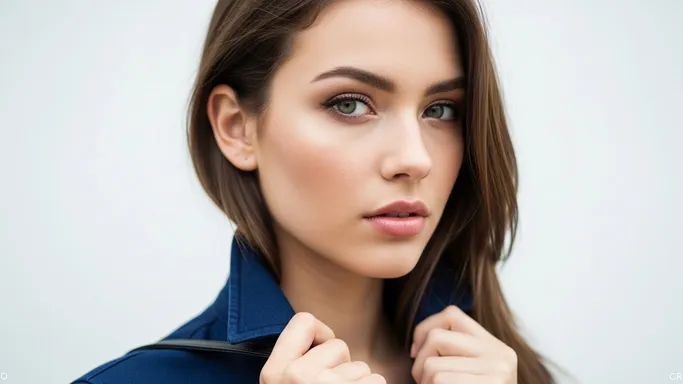
In a profile, the eyes are the primary focal point. A “High-End” look avoids flat, static expressions in favor of intentionality.
- The Technique: Utilize a slight jawline tilt combined with a resolute gaze. This creates a sense of confidence and “presence.”
- The Dynamics: Steady Gaze, Subtle Smirk, Calm Expression, Looking Away (Thoughtful), Intense Focus.
- Technical Spec: Always ensure
gaze matches focus. This is the single most important factor for realism in professional profiles. - Visual Style: Use sharp focus on the eyes and a shallow depth portrait to blur the background, making the subject the undisputed center of attention.
2. The Editorial Silhouette: Shape and Composition
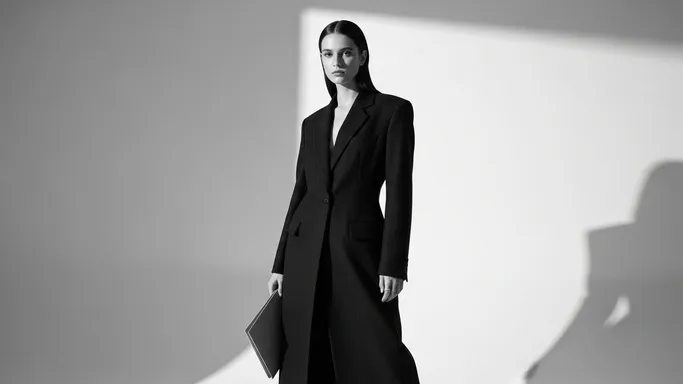
Fashion is about the architecture of the body. How you frame the subject defines the “story” of the outfit.
- The Technique: Move beyond the center-frame. Use leading lines or symmetry to create a balanced, high-fashion aesthetic.
- The Dynamics: High-Angle Lean, Profile View, Asymmetrical Stance, Seated Elegance, Hands Near Face (Adjusting).
- Technical Spec: Apply cinematic framing and balanced composition to give the image a “Film Still” aesthetic.
- Visual Style: Incorporate anamorphic bokeh in the background to add a luxurious, wide-screen cinematic feel to the portrait.
3. Material Realism: Texture and Craftsmanship
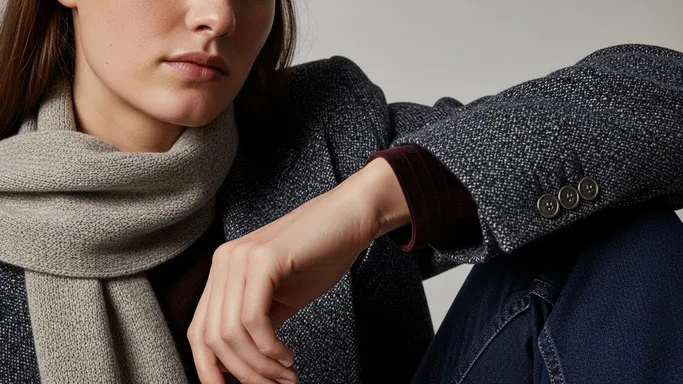
A high-quality fashion profile must sell the materials. Whether it’s the grain of leather or the softness of silk, texture provides the “True-to-Life” feel.
- The Technique: Highlight the interaction between light and fabric.
- The Dynamics: Adjusting the Cuff, Feeling the Fabric, Straightening the Lapel, Wind-swept Motion.
- Technical Spec: Use realistic cloth folds and texture coherence. The folds should match the character’s movement and gravity.
- Visual Style: Enable realistic skin specular highlights and true-to-life textures to ensure that skin, hair, and clothing fibers look authentic and high-resolution.
4. Atmospheric Lighting: Creating the “Vibe”
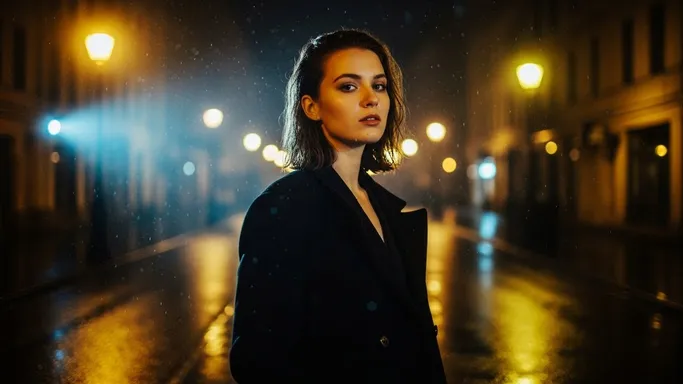
Lighting defines the mood of the profile—from “Corporate Authority” to “Creative Rebel.”
- The Technique: Use soft rim light separation to create a halo effect that pulls the subject away from the background.
- The Dynamics: Back-lit Glow, Side-shadow (Chiaroscuro), Soft Bloom, Natural Sun-kissed Glow.
- Technical Spec: Combine motivated practical lighting with natural highlight rolloff to avoid “digital harshness” and achieve a soft, film-like quality.
- Visual Style: Add a slight atmospheric haze to give the lighting more volume and depth, making the scene feel three-dimensional.
5. Technical Mastery: The “High Production” Polish
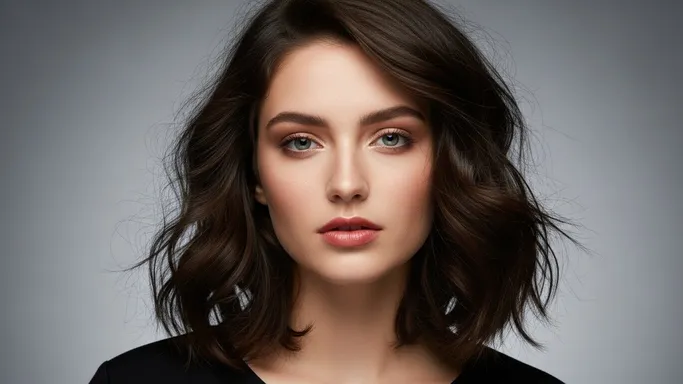
To achieve a result that looks like a million-dollar ad campaign, certain quality control elements are non-negotiable.
| Category | Requirement | Why it Matters |
|---|---|---|
| Material | Believable materials | Ensures leather looks like leather and silk reflects light naturally. |
| Physics | Realistic hair physics | Prevents the hair from looking “plastic” or “static.” |
| Depth | Foreground supports depth | Adds layers to the image, creating a professional 3D space. |
| Post-Effect | Subtle film grain | Breaks up digital gradients and provides a classic “Film Still” aesthetic. |
Step-by-Step: Building Your Fashion Profile
- Select the Mood: Choose between Moody Contrast (for an edgy look) or Soft Bloom (for a clean, commercial look).
- Define the Action: Start with a “Small Action” like hand adjusting the collar to anchor the realism.
- Refine the Gaze: Ensure the
gaze matches focusto connect with the viewer. - Polish the Textures: Focus on the
realistic cloth foldsto give the outfit weight and physics.
Conclusion: Crafting Your Visual Identity
A great fashion profile isn’t just about looking good; it’s about the technical precision that makes the viewer stop scrolling. By combining Editorial Posing with Realistic Textures and Cinematic Lighting, you create a portfolio piece that commands attention.
Ready to build your next look? Pick a material (like leather or silk) and a lighting style (like dramatic rim light), and watch your profile transform into a high-end editorial masterpiece.