

The Art of Romantic Connection: A Visual Encyclopedia
True cinematic romance is built on the subtle interactions between two people. It is a spectrum that ranges from quiet, shared moments to intense, dramatic standoffs. By understanding the psychology behind each pose and matching it with the right technical settings, you can transform a simple portrait into a profound narrative.
This guide explores over 70 unique relationship dynamics, categorized by their emotional intensity, to help you master the art of romantic storytelling.
1. The Stage of Anticipation: 15+ “No-Touch” Poses

These poses focus on the “Unspoken.” The tension is created not by contact, but by the air between two characters.
- Key Dynamics: Near Miss, Gaze Match, Stolen Look, Distant Longing, Hesitant Reach, Mirroring, Facing Away, Side-by-Side (No Touch), Lingering Presence, The Near-Whisper.
- The Focus: The “Magnetic Gap.” The viewer’s eyes are drawn to the space where a connection is about to happen.
- Technical Configuration:
- Visual Style: Soft bloom, shallow depth portrait, and anamorphic bokeh.
- Direction: Focus on the eyes; ensure the gaze alignment is precise to anchor the emotional pull.
- Pro Tip: Use a slight atmospheric haze to make the environment feel thick with unspoken words.
2. Poetic Presence & Spatial Tension: 20+ “Cornering” Poses
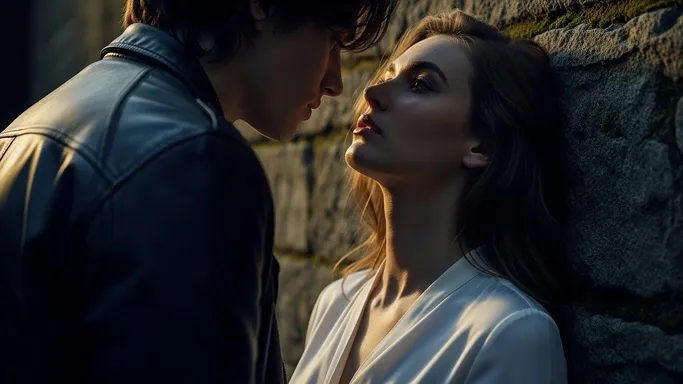
These poses utilize the surrounding environment to create a sense of dramatic focus and emotional gravity.
- Key Dynamics: Wall Lean, Doorway Frame, Strategic Cornering, Looming Shadow, Seated Conversation, Arm Placement, Gentle Jawline Tilt, The Attentive Lean, Desk Interaction, Framed Encounter.
- The Focus: Power dynamics and focused attention. One character “frames” the other within the scene.
- Technical Configuration:
- Visual Style: Moody contrast, deep shadows, and dramatic rim light.
- Realism: Emphasize realistic cloth folds where figures lean against textured surfaces like stone or wood.
- Pro Tip: Use a sharp focus on the eyes of the character taking the lead to emphasize their resolve.
3. The Protective Bond: 15+ “Anchor” Poses
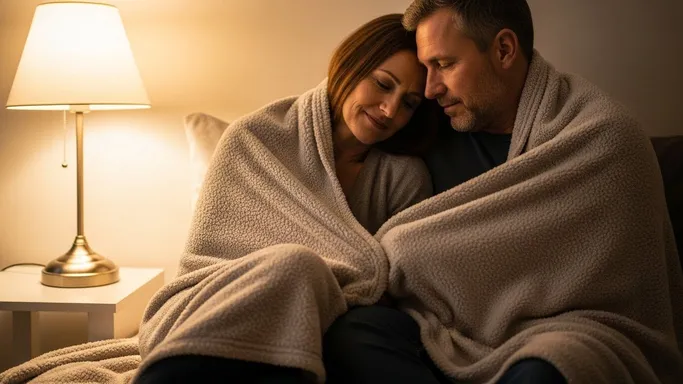
These poses represent the “Protector and the Protected,” emphasizing trust, stability, and mutual reliance.
- Key Dynamics: Back-to-Front Stance, Shoulder Support, Hand on Collar, Guiding Presence, Protective Shield, Head on Shoulder, Arm Around Waist, Shared Shelter, Gentle Covering.
- The Emotional Core: Security and quiet strength. One character acts as the emotional anchor for the other.
- Technical Configuration:
- Visual Style: Motivated practical lighting (like a warm indoor lamp) and natural highlight rolloff.
- Atmosphere: A warm, golden-hour glow to create a sense of comfort and safety.
- Pro Tip: Incorporate “one small action to anchor realism,” such as a character lightly adjusting the other’s scarf or coat.
4. Dynamic Friction & Passion: 10+ “Active” Poses
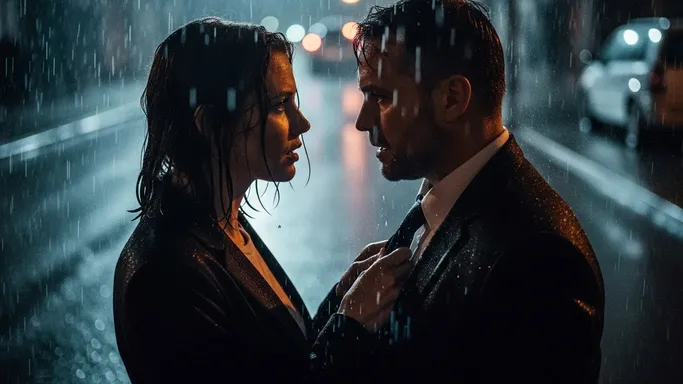
This category captures the “Beautiful Struggle”—moments of high emotional energy, friction, and passionate realization.
- Key Dynamics: Tie Adjustment, Lapel Hold, Wrist Connection, Intense Standoff, The Silent Argument, Rain-soaked Encounter, The Resolute Look, Hand on Chest (Emotional Focus).
- The Emotional Core: Passion mixed with intensity; the climax of a romantic arc.
- Technical Configuration:
- Visual Style: Subtle film grain, controlled lens flares, and a high-production cinematic look.
- Quality: Use realistic hair physics to show a bit of disarray, matching the emotional turbulence.
- Pro Tip: Use color separation to distinguish the two silhouettes while keeping their physical connection tight.
5. Intimate Stillness: 10+ “Comfort” Poses
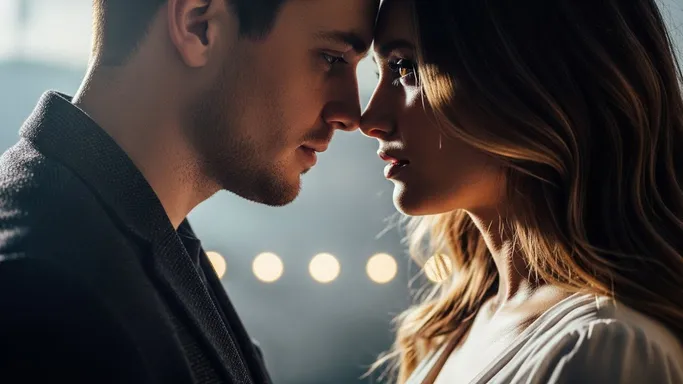
The softest part of the romantic spectrum. These poses are about shared silence and complete emotional peace.
- Key Dynamics: Forehead-to-Forehead, Gentle Nuzzling, Hands Intertwined, Shared Reading, Resting Side-by-Side, The Soft Forehead Kiss, Whispering in Ear, Mirror Gaze (Shared).
- The Emotional Core: Total intimacy where the outside world ceases to exist.
- Technical Configuration:
- Visual Style: Soft anamorphic bokeh, clean edge detail, and realistic skin specular highlights.
- Composition: Utilize clean negative space to ensure the focus remains entirely on the subjects.
Technical Mastery: The Quality Checklist
To ensure these 70+ poses translate into a high-end cinematic result, always verify these four technical standards:
| Category | Requirement | Why it Matters |
|---|---|---|
| Gaze | Gaze matches focus | Characters must look at each other, not past each other, to sell the connection. |
| Physics | Realistic cloth & hair | Adds weight and plausibility to the interaction. |
| Lighting | Soft rim light separation | Keeps the two silhouettes distinct even in dark, moody settings. |
| Framing | Balanced composition | Romantic tension is best captured with deliberate, cinematic framing. |
Conclusion: Posing as Your Storyboard
With over 70 variations at your disposal, you can tell any story from a first meeting to a life-long bond. The secret lies in matching the Pose Category with the Lighting Style.