
Drama, Narrative, and Visual Impact Through Film-Inspired Body Language
Cinematic character poses draw directly from the visual language of film. These poses communicate personality, power dynamics, emotional arcs, and narrative tension, making them essential for storytelling-driven portraits or character concept imagery.
Unlike natural or fashion poses, cinematic poses prioritize mood, silhouette clarity, and strong emotional cues that feel like a frame pulled from a movie.
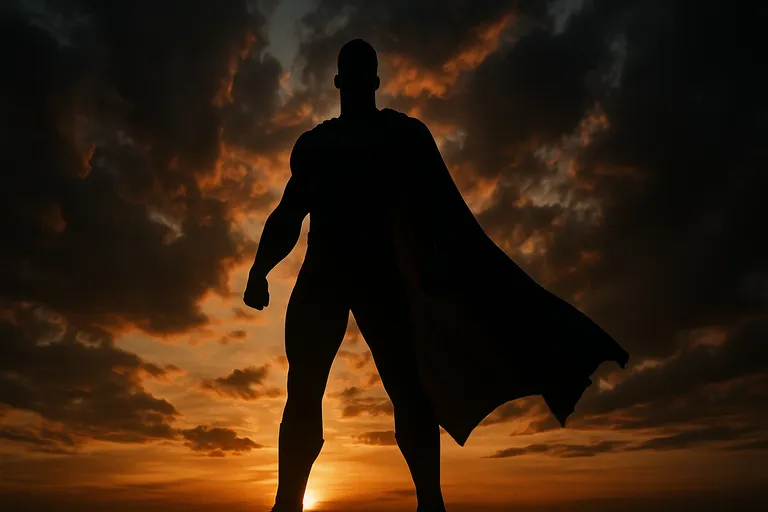
1. Hero Shot Pose
Iconic strength, confidence, and presence
This is the classic “hero introduction” stance seen in action films and dramatic character arcs.
Characteristics:
- Shoulders squared
- Chest open
- Strong stance, often wide or grounded
- Chin elevated
- Camera positioned slightly below (optional)
Prompt Example
cinematic hero shot pose, grounded wide stance, confident posture, dramatic lighting, strong silhouette
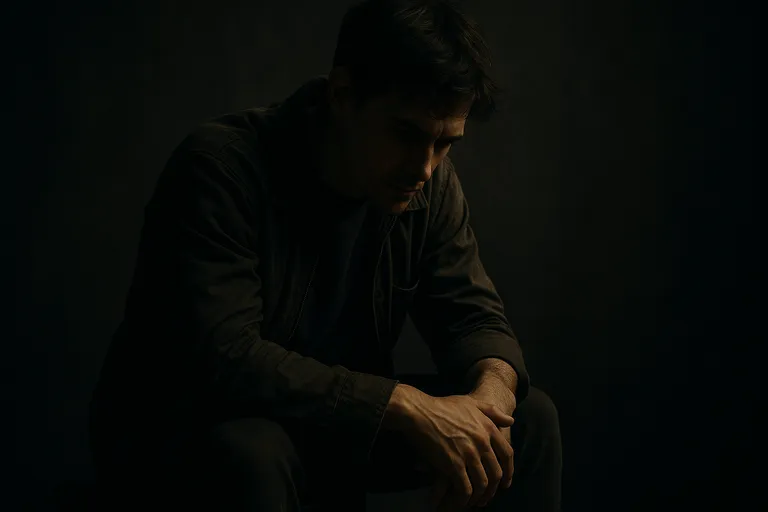
2. Anti-Hero / Brooding Pose
Dark, introspective, morally complex
Used for characters with depth, conflict, or emotional weight.
Characteristics:
- Downward gaze or half-lit face
- Slight hunch or closed posture
- Dramatic shadows
- Subtle tension in hands or jawline
Prompt Example
brooding anti-hero pose, half-shadow lighting, intense emotional tension, cinematic dramatic mood
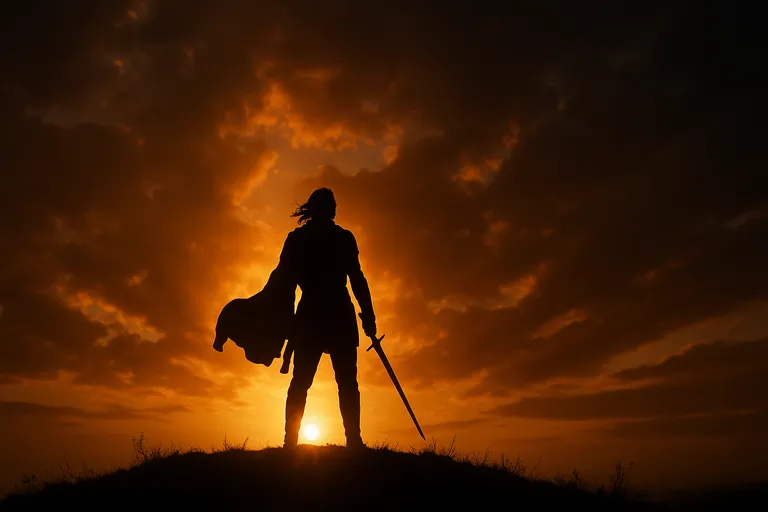
3. Silhouette Dramatic Pose
Emotion delivered through shape and outline
Silhouette poses rely on body shape against a bright background.
Characteristics:
- Clear, readable outlines
- Dynamic or symbolic posture
- Works especially well at sunset, fog, or backlight scenes
Prompt Example
dramatic silhouette pose, strong backlight, clean character outline, cinematic atmosphere
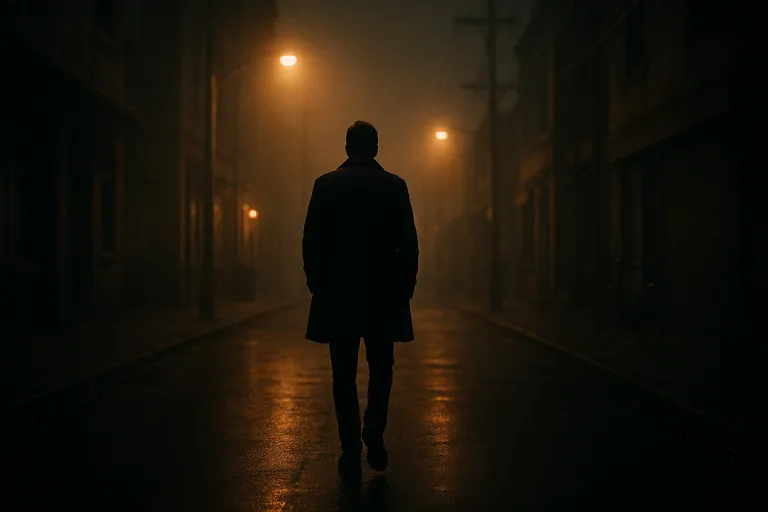
4. Turning-Away Dramatic Pose
Distance, emotional withdrawal, or mystery
A character turning partly or fully away from the viewer creates emotional space.
Characteristics:
- Back or profile facing camera
- Subtle shoulder tension
- Works in emotional or mystery-driven scenes
Prompt Example
turning-away cinematic pose, emotionally distant mood, soft atmospheric lighting
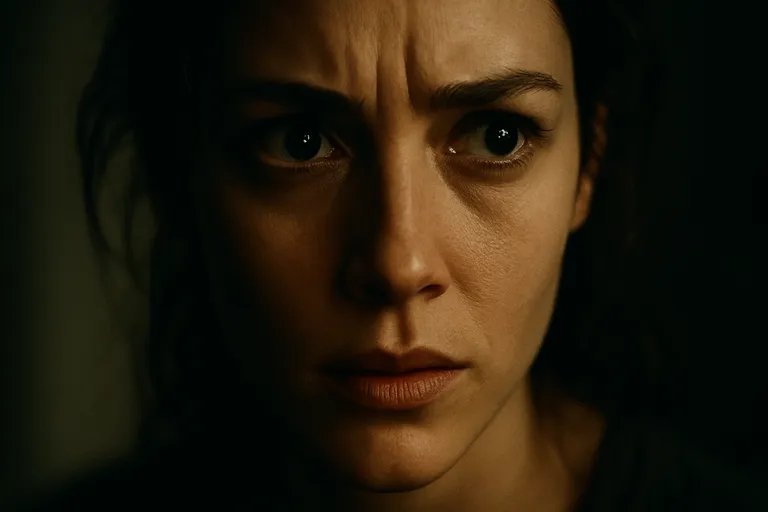
5. Emotional Close-Up Character Pose
Microexpression-driven cinematic storytelling
Close shots emphasize eyes, tension, or subtle emotional shifts.
Characteristics:
- Tight framing
- High emotional intensity
- Shadows playing across face
Prompt Example
cinematic emotional close-up, intense microexpressions, dramatic shadows, filmic tone
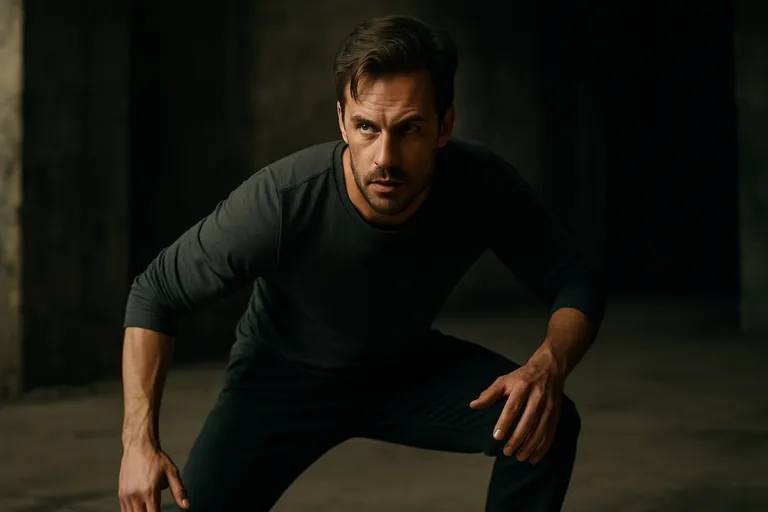
6. Action-Ready Stance
Prepared, focused, dynamic energy
Frequently found in action or adventure scenes.
Characteristics:
- Bent knees
- Weight shifted forward
- Hands engaged (weapon, object, or readiness gesture)
- Strong directional light
Prompt Example
cinematic action-ready pose, dynamic tension, strong directional lighting, vivid storytelling energy
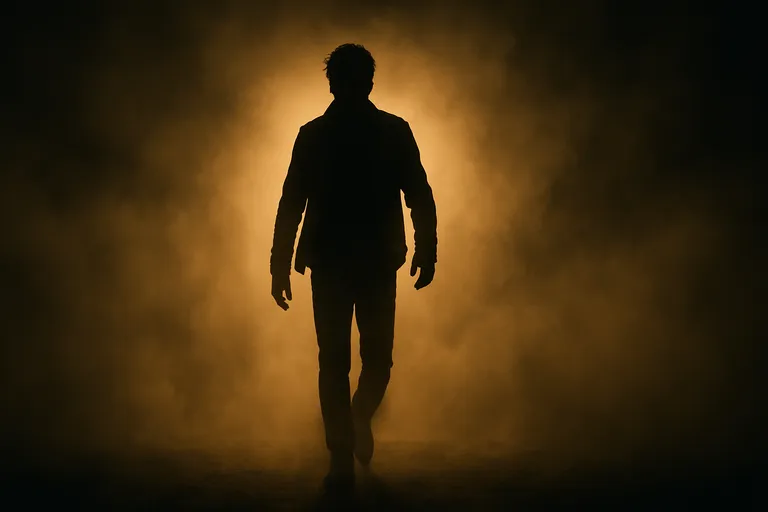
7. Slow-Walk Cinematic Pose
Character introduction, power, or emotional weight
The slow-walk is used in drama, action, and even romance films.
Characteristics:
- Mid-step with steady posture
- Eyes fixed on the camera or distant point
- Flowing clothing or atmospheric elements
Prompt Example
slow-walk cinematic pose, atmospheric backlight, mid-step motion, powerful dramatic mood
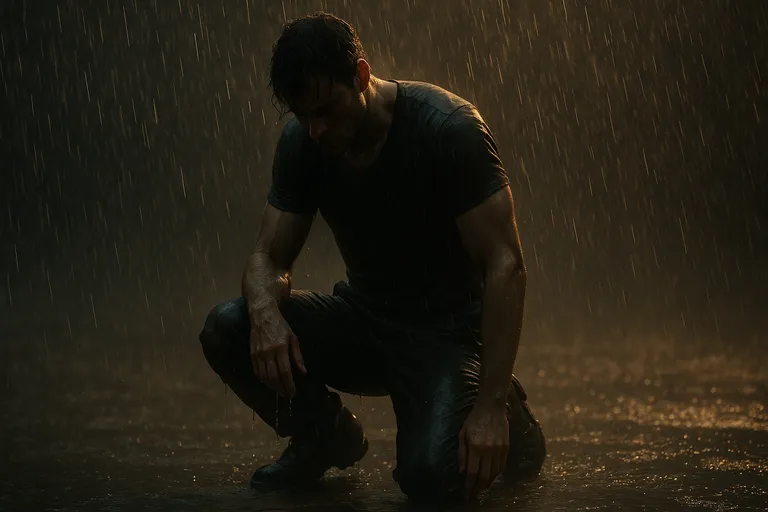
8. Kneeling / Fallen Pose
Defeat, sorrow, redemption, or dramatic tension
Used to portray vulnerability or emotional turning points.
Characteristics:
- One or both knees on the ground
- Shoulders dropped
- Hands resting or gripping the floor
- Strong shadow contrast
Prompt Example
cinematic kneeling pose, emotional tension, dramatic rain lighting, expressive posture
9. Looking Over City / Landscape (Hero Vista Pose)
Epic, reflective, or destiny-driven imagery
The character faces away from camera, looking into vast scenery.
Characteristics:
- Back or three-quarter angle
- Wide framing
- Atmospheric depth and scale
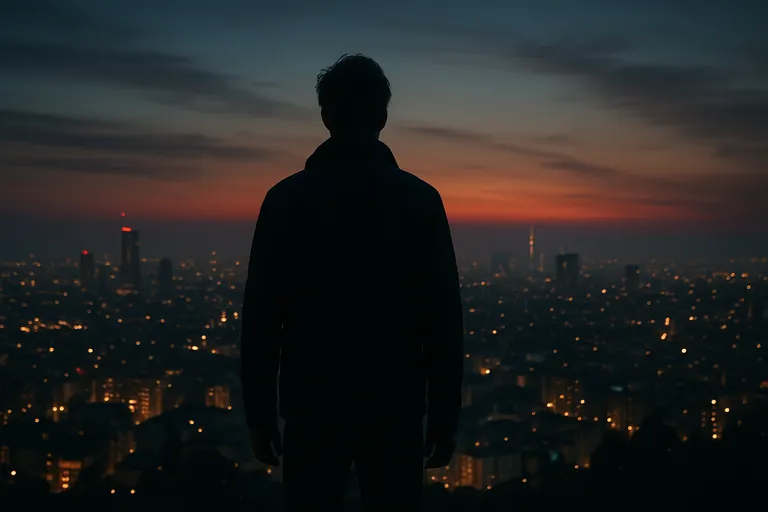
Prompt Example
hero vista pose overlooking city, wide cinematic framing, atmospheric depth, reflective emotional tone
10. Hands-Clasped / Tension Pose
Quiet drama and emotional restraint
Subtle but powerful for dramatic scenes.
Characteristics:
- Hands clasped together
- Shoulders stiff
- Downward eyes
- Delivers tension without action
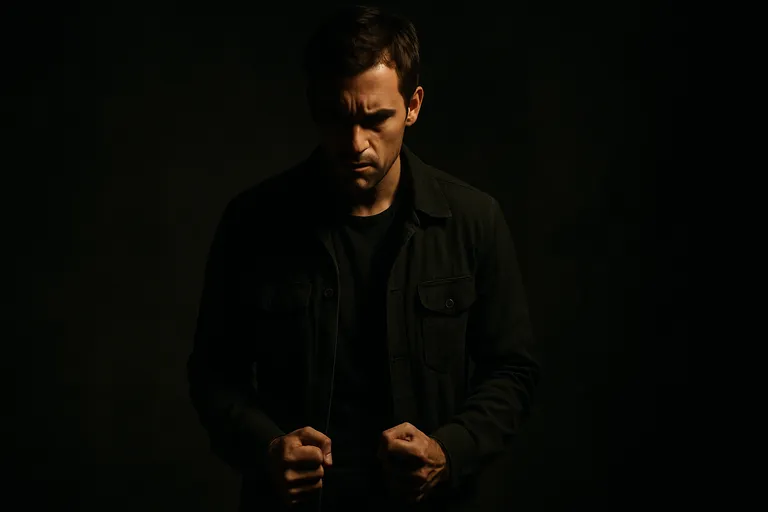
Prompt Example
hands-clasped cinematic pose, subtle emotional tension, soft directional lighting
Summary
Cinematic character poses communicate story, power, and emotion through posture, silhouette, and subtle tension. Hero stances, brooding poses, dramatic silhouettes, emotional close-ups, and action-ready positions all help define character arcs and cinematic identity. These poses are essential for AI-generated scenes that aim to feel like a film still — rich, dramatic, and full of narrative presence.