
Connection, Distance, and Storytelling Through the Lens
Camera interaction defines the emotional relationship between the viewer and the subject. Whether the subject acknowledges the camera or appears unaware significantly alters the image’s mood — from intimate and direct to candid and observational.
These poses shape narrative tone, character psychology, and visual engagement, making them essential for portrait, editorial, and cinematic storytelling prompts.
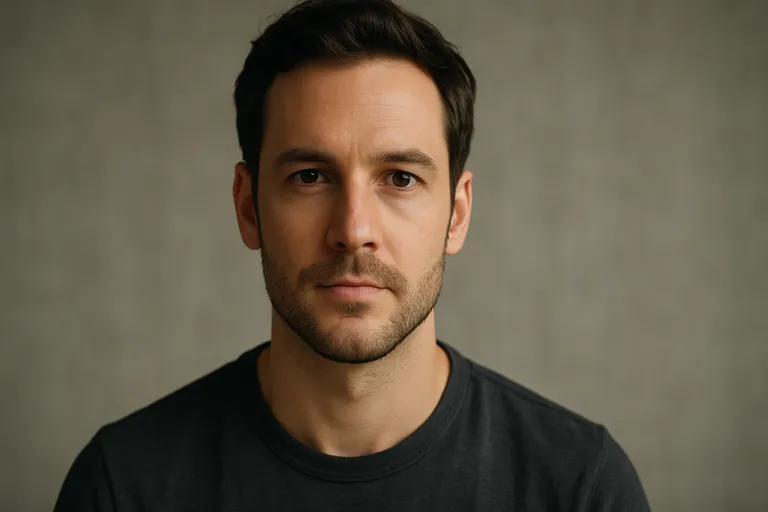
1. Direct Gaze Pose
Strong, intimate, and engaging
The subject looks directly into the camera, building connection and presence.
Characteristics:
- Eyes firmly focused on the lens
- Strong sense of honesty or intensity
- Works for portraiture, editorial covers, and character introductions
Prompt Example
direct gaze into camera, strong eye contact, expressive portrait lighting, intimate emotional tone
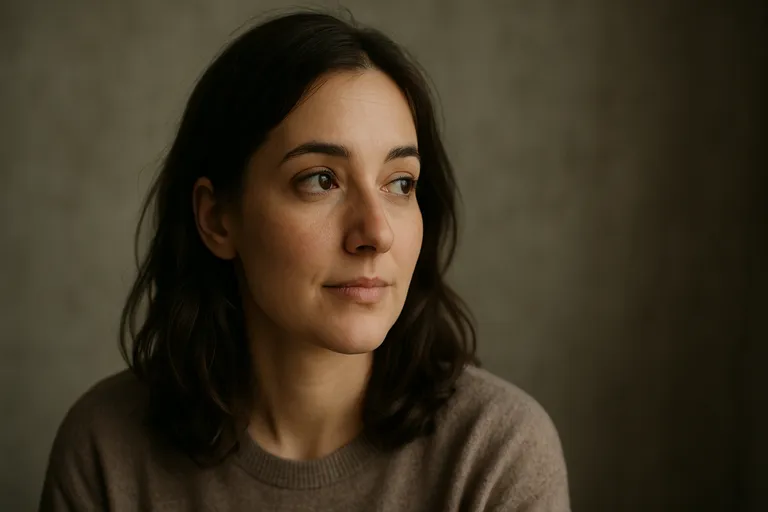
2. Averted Gaze Pose
Soft, reflective, or distant
The subject looks away from the camera, creating introspection or emotional depth.
Characteristics:
- Slight head turn
- Eyes focused on a distant point
- Adds narrative ambiguity
Prompt Example
averted gaze pose, soft introspective mood, natural light, emotional portrait
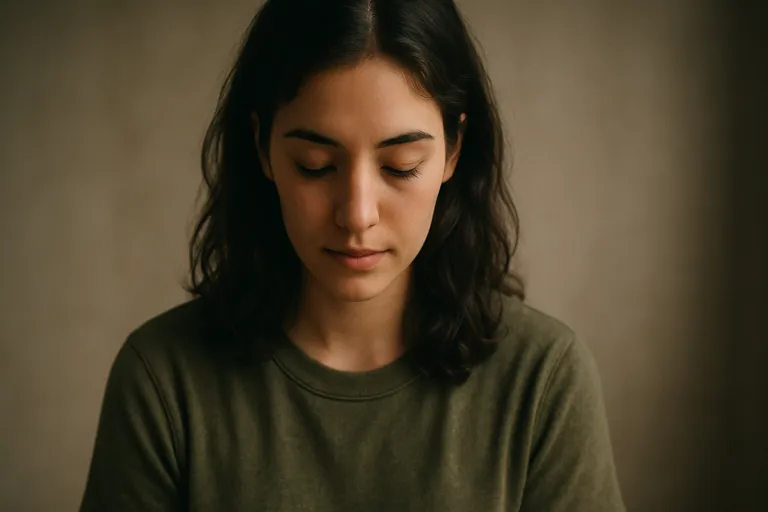
3. Downward Gaze
Vulnerability, shyness, calm
Looking downward softens the emotional tone and feels more intimate.
Characteristics:
- Eyelids lowered
- Creates delicate or reflective emotion
- Often used in beauty and fine art portraits
Prompt Example
downward gaze pose, gentle vulnerable emotion, soft beauty lighting
4. Over-the-Shoulder Camera Interaction
Playful, confident, or dramatic depending on expression
The subject’s body turns away, but the head looks back toward the camera.
Characteristics:
- Encourages dynamic silhouette
- Enhances character drama
- Works in fashion, beauty, and narrative imagery

Prompt Example
over-the-shoulder camera look, subtle expression, elegant pose, cinematic portrait
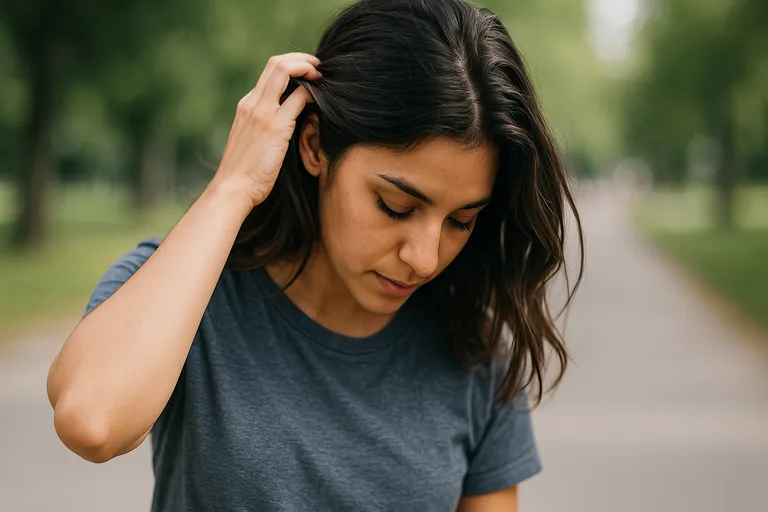
5. Candid “Unaware of Camera” Pose
Natural, documentary-like, emotional realism
The subject behaves as if the camera isn’t present.
Characteristics:
- Eyes looking elsewhere
- Natural body movement
- Soft, lifestyle storytelling feel
Prompt Example
candid pose, subject unaware of camera, natural motion, soft lifestyle lighting
6. Looking Past the Camera
Creates tension, curiosity, or cinematic intrigue
The subject focuses just slightly off-lens — not fully averted, not direct.
Characteristics:
- Subtle storytelling
- Adds emotional complexity
- Frequently used in cinematic character portraits
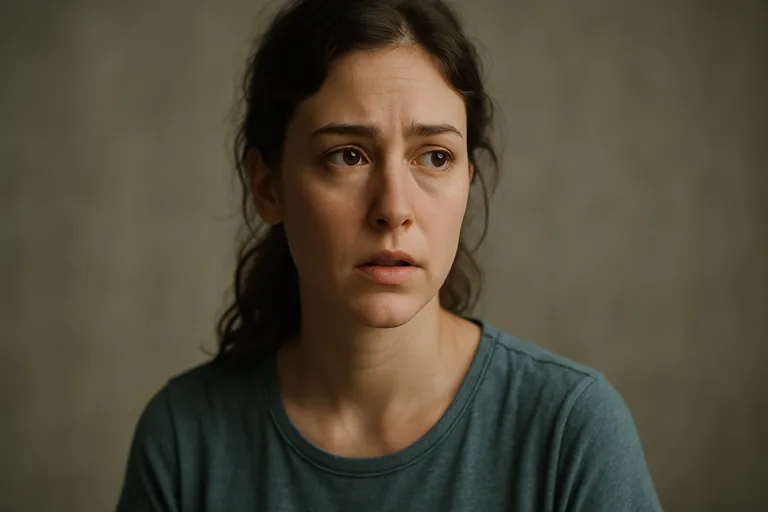
Prompt Example
looking just past the camera, subtle dramatic tension, cinematic portrait style
7. Motion Toward the Camera
Dynamic, engaging, and energetic
Useful in fashion, action, and cinematic scenes.
Characteristics:
- One foot leading
- Slight upper body motion forward
- Viewer feels pulled into the scene
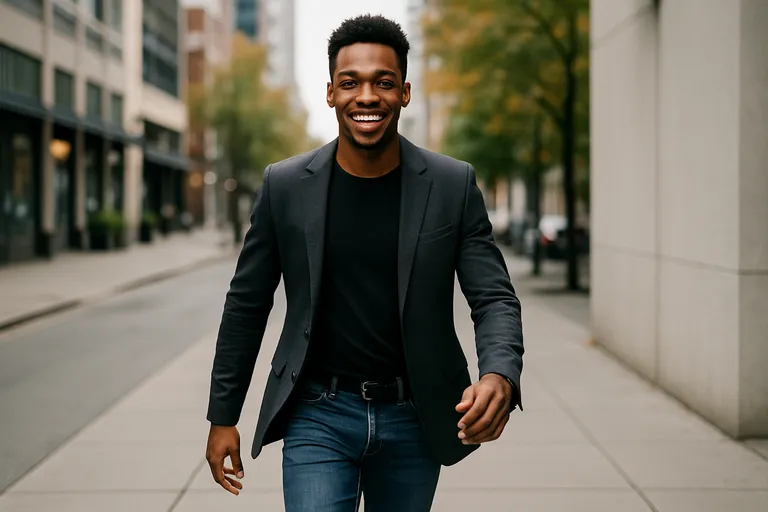
Prompt Example
dynamic motion toward the camera, mid-step action, sharp stylish energy, editorial mood
8. Motion Away from the Camera
Storytelling, environmental, cinematic
This pose can imply mystery, departure, or narrative depth.
Characteristics:
- Back facing the camera
- Movement forward
- Often used in film stills and character intros
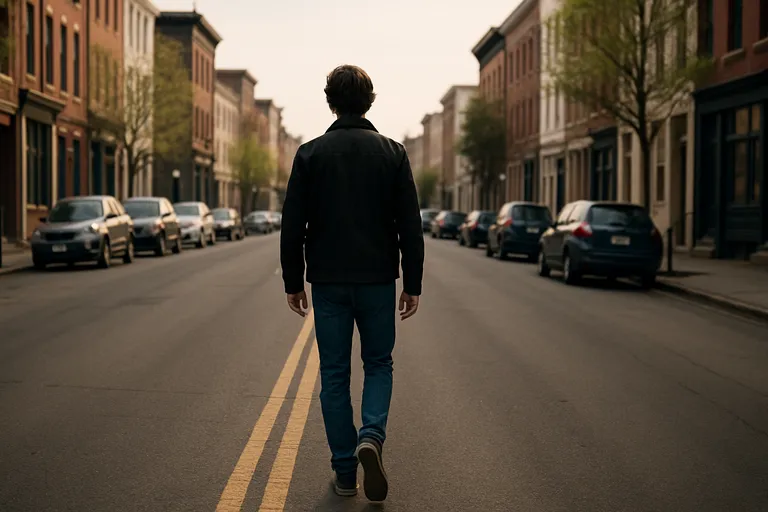
Prompt Example
walking away from camera, cinematic framing, emotional atmosphere, wide shot
9. Close-Up Eye Interaction
A powerful approach emphasizing emotion
The camera moves close, and the subject engages primarily through the eyes.
Characteristics:
- Eyes dominate frame
- Microexpressions highlighted
- Strong cinematic effect
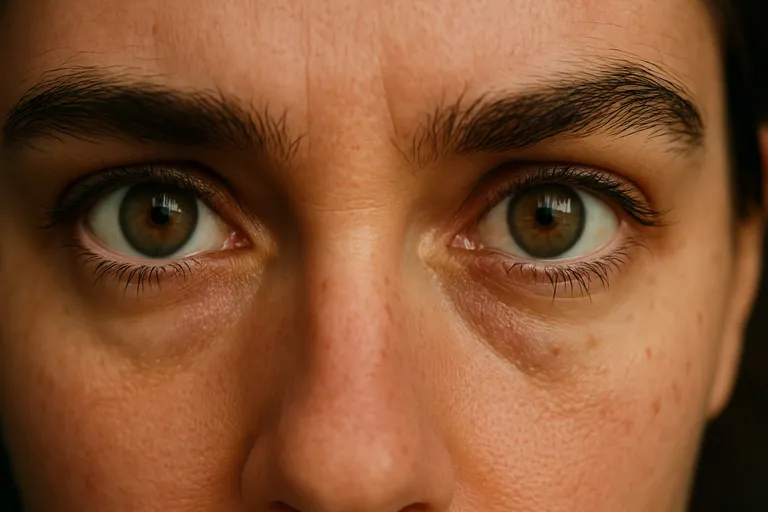
Prompt Example
cinematic close-up eye interaction, microexpression detail, dramatic lighting
10. Over-the-Lens Lean
Intimate, bold, and editorial
The subject leans toward the lens, creating distortion and strong presence.
Characteristics:
- Slight forward lean
- Hands or shoulders leading
- Creates fashion-forward drama
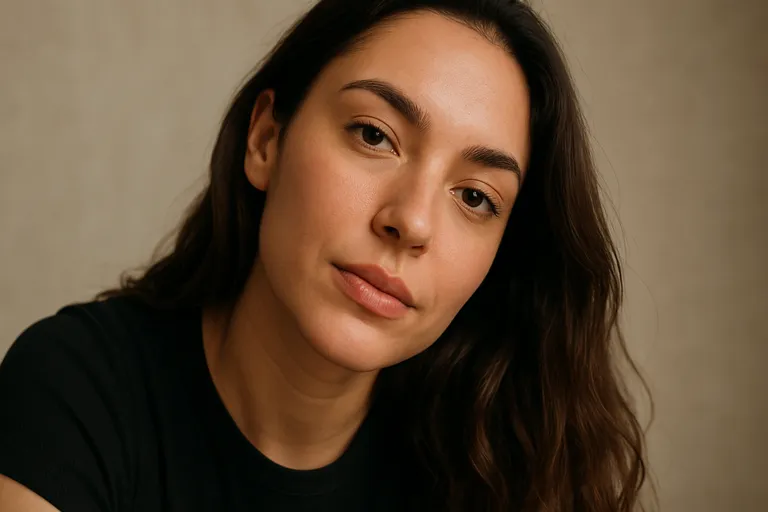
Prompt Example
leaning toward camera, strong editorial presence, bold dramatic pose, soft shadow play
Summary
Camera interaction determines how the audience emotionally relates to the subject. Whether the gaze is direct, averted, downward, candid, or in motion, each pose creates a distinct storytelling effect. Mastering these interaction styles allows prompt creators to guide mood, intimacy, and cinematic intent in AI-generated portraits.