
Emotion, Interpretation, and Concept Over Reality
Fine art photography focuses on expressing an idea, evoking emotion, or communicating a deeper theme rather than documenting reality.
The photographer — or prompt creator — becomes an artist using imagery as a medium to express a message.
Unlike editorial or documentary styles, fine art photography prioritizes:
- Symbolism
- Mood
- Narrative intent
- Aesthetic coherence
- Artistic interpretation
This style is powerful for creating gallery-level visuals, conceptual stories, or emotionally-driven AI art.
Core Characteristics of Fine Art Style
1. Concept-Driven Imagery
Fine art begins with an idea:
identity, memory, solitude, chaos, rebirth, beauty, conflict, transformation.
The image exists to express that idea rather than merely illustrate a scene.
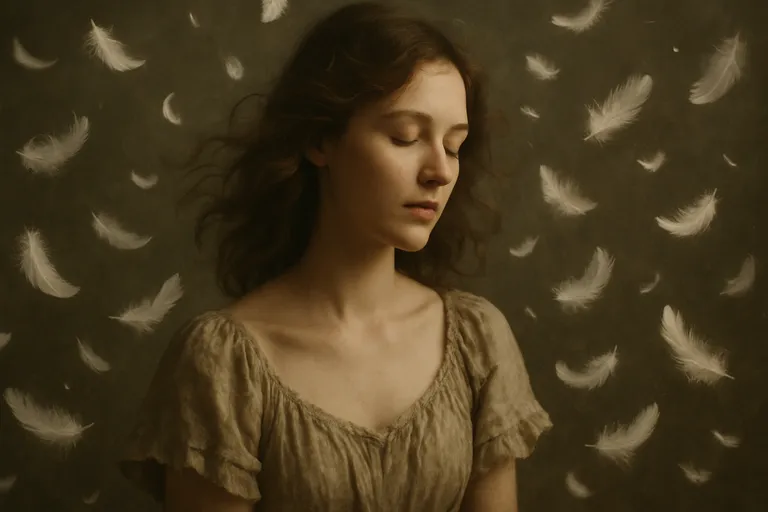
This conceptual foundation is what gives fine art images emotional weight.
2. Controlled Color & Tonal Language
Color is used symbolically, not randomly.
Common palettes:
- Monochrome for timeless emotion
- Muted tones for introspection
- Deep shadows for mystery
- Dramatic contrast for tension
- Limited palette to create cohesion
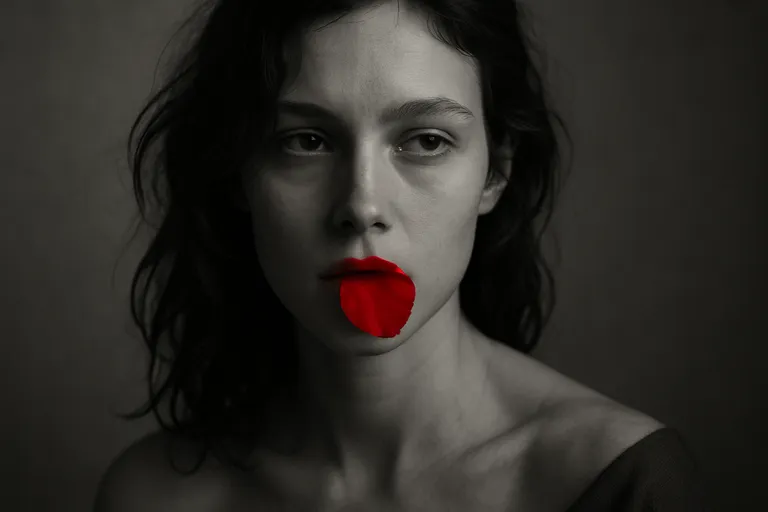
Colors reinforce the concept and mood.
3. Cinematic or Painterly Lighting
Fine art lighting often imitates:
- Renaissance paintings
- Chiaroscuro contrast
- Vanity-style soft shadows
- Dramatic directional light
- Diffused natural window light
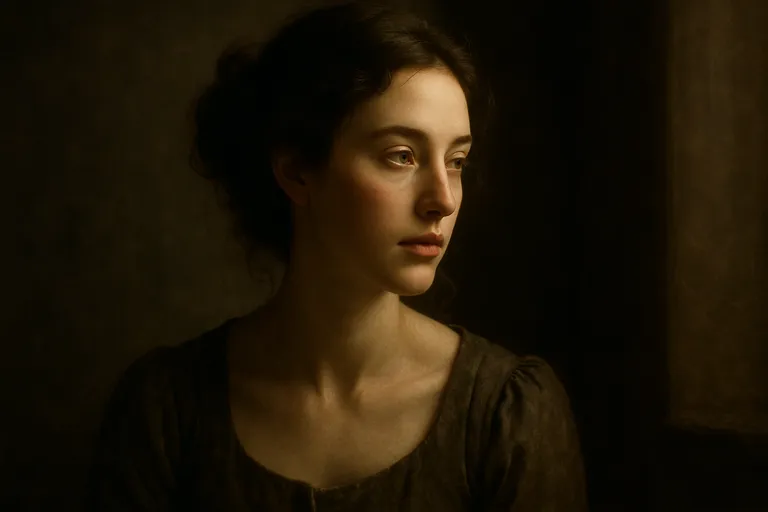
Lighting sets the emotional temperature of the artwork.
4. Expressive Posing & Mood
Subjects in fine art imagery display:
- Stillness
- Vulnerability
- Tension
- Symbolic gestures
- Poetic body shapes
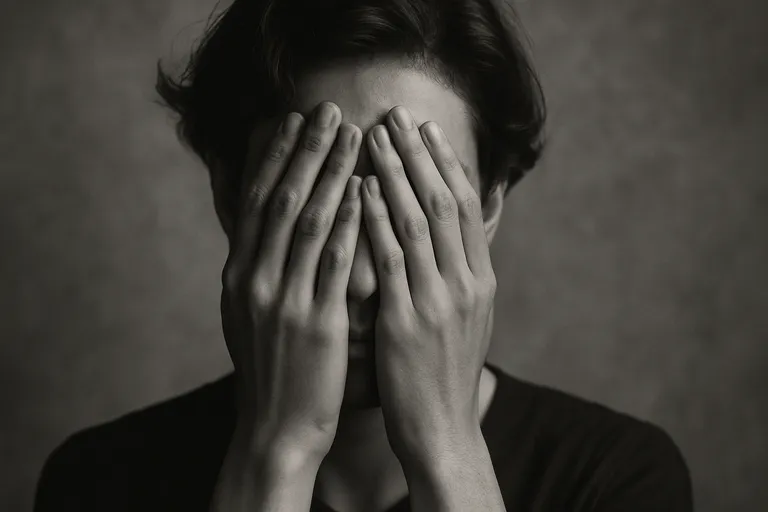
Expression is subtle but powerful, revealing internal emotion.
5. Artistic Composition
Fine art compositions are often symbolic or intentionally minimal.
Common structures:
- Central framing
- Rule of thirds for emotional isolation
- Negative space to emphasize silence
- Symmetry for psychological impact
- Layered depth for storytelling
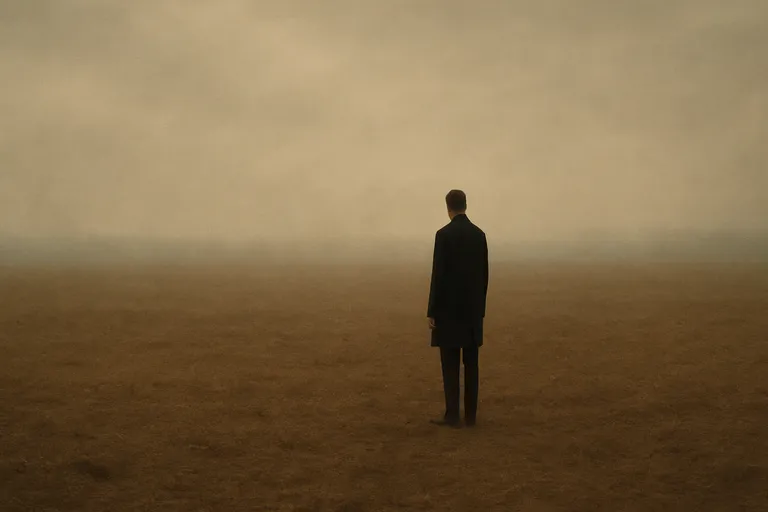
6. Textures, Atmosphere & Visual Mood
Fine art photographs frequently include:
- Soft haze
- Grain or film texture
- Fog or mist
- Matte finish
- Painterly soft edges
These elements create a timeless, artistic quality.
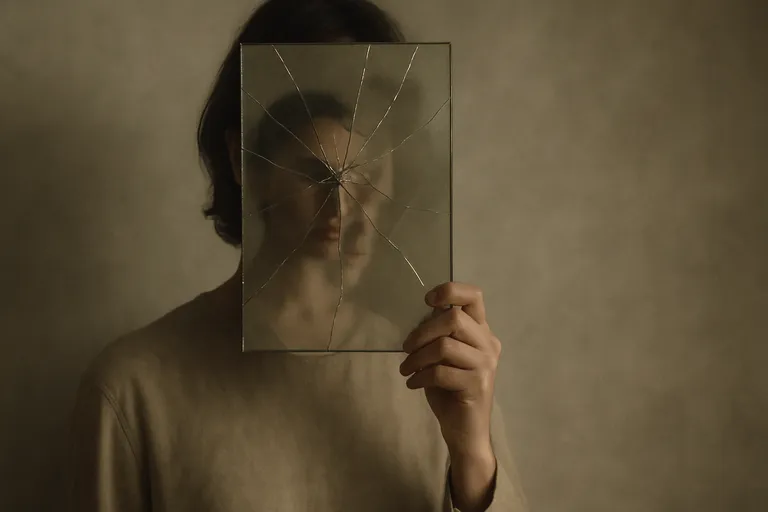
7. Symbolism & Metaphor
Fine art photography thrives on symbolic elements:
- Birds for freedom
- Water for rebirth
- Mirrors for identity
- Flowers for fragility
- Shadows for conflict
Common Use Cases in AI Prompts
Fine art style is excellent for:
- Conceptual portraits
- Emotional storytelling
- Gallery-style visual art
- Abstract narrative scenes
- Symbolic compositions
- Poetic or introspective themes
- Album covers or book covers
Prompt Examples
✔ Conceptual Portrait
fine art portrait with soft diffused lighting, symbolic pose, muted color palette, subtle grain texture, emotional depth and introspective mood
✔ Painterly Classical Style
fine art photo inspired by Renaissance painting, chiaroscuro lighting, rich textures, serene expression, timeless atmosphere
✔ Symbolic Minimalism
conceptual fine art image of a lone woman holding a single wilted flower, wide negative space, delicate soft tones, poetic emotional tone
✔ Surreal Fine Art
fine art scene with floating objects, dreamlike haze, symbolic elements representing memory and time, muted pastel palette
✔ Emotional Environmental Portrait
fine art portrait in an empty field during fog, solitary figure, soft matte textures, deeply introspective atmosphere
Summary
Fine art photography is defined by emotion, symbolism, and artistic intention.
By using conceptual themes, painterly lighting, expressive posing, controlled color palettes, and symbolic elements, prompt creators can craft images that feel poetic, interpretive, and gallery-worthy.
This style transforms photography from visual documentation into expressive art.