
Timeless Atmosphere, Analog Warmth, and Story-Driven Mood
Cinematic vintage style blends film-inspired color science, period lighting aesthetics, and vintage lens characteristics to evoke the look of classic cinema.
Unlike simple “film tone” styles, cinematic vintage incorporates era-specific moods, optical imperfections, aspect ratios, and storytelling textures that define twentieth-century filmmaking.
This style is ideal for creating nostalgic, emotional, or narrative-driven AI imagery.
Core Characteristics of Cinematic Vintage Style
1. Analog Color Palettes with Era Influence
Cinematic vintage tones are shaped by the decade:
- 1970s-inspired: warm browns, muted yellows, subdued contrast
- 1980s-inspired: glowing highlights, soft amber tones, mild haze
- 1990s-inspired: teal-yellow balance, deeper shadows, clean focus with subtle grain
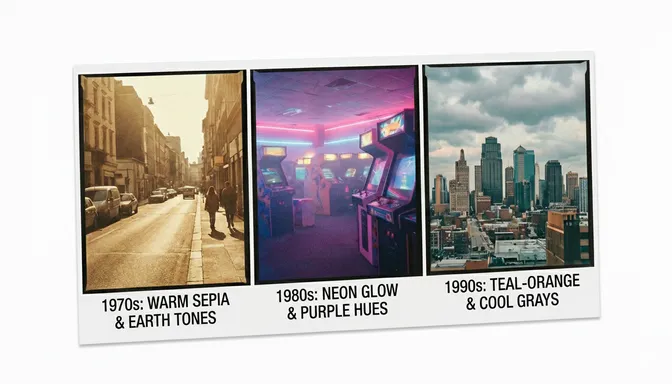
These palettes immediately communicate a time period and emotional tone.
2. Vintage Lens Characteristics
Older cinema lenses introduce natural imperfections:
- Soft diffusion
- Blooming around highlights
- Slight vignette
- Mild chromatic softness
- Edge falloff
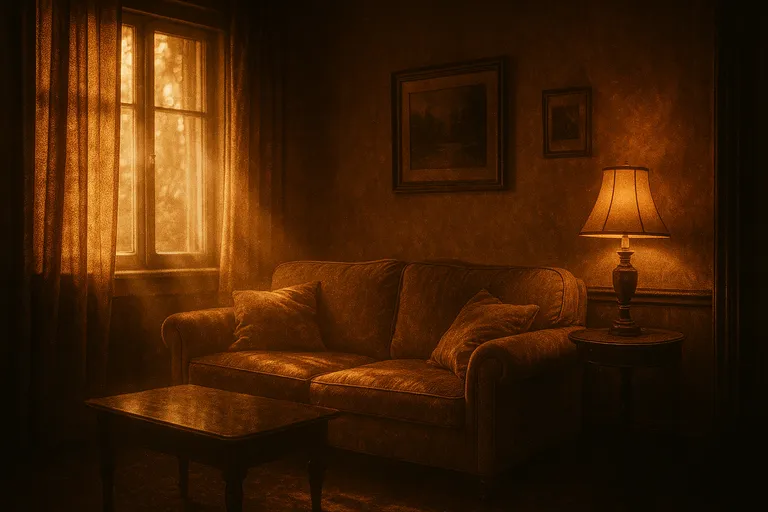
These imperfections create the signature “cinematic softness” associated with classic movies.
3. Grain, Texture, and Atmospheric Layers
Vintage cinema often features:
- Medium to heavy organic grain
- Soft dust particles
- Gate weave (slight frame movement)
- Faint scratches
- Matte tonal texture
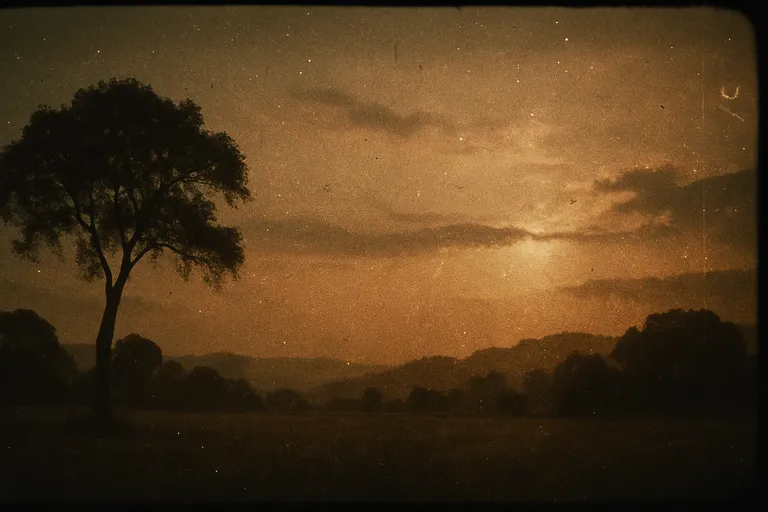
These textures reinforce analog authenticity and emotional depth.
4. Lighting Inspired by Classic Cinema
Vintage movies often relied on:
- Tungsten lighting (warm, gold/amber tones)
- Soft window light
- Practical light sources (lamps, neon, candles)
- Gentle contrast with smooth shadow roll-off
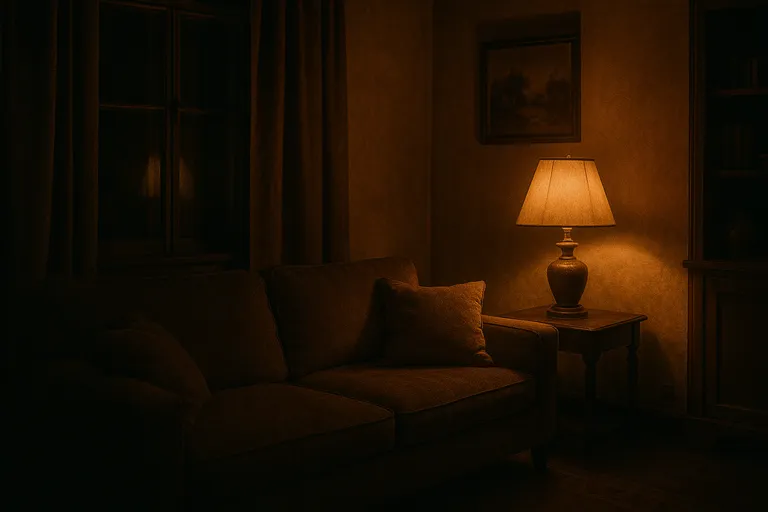
Lighting defines the “emotional warmth” that characterizes cinematic vintage visuals.
5. Cinematic Framing & Aspect Ratios
Classic cinema frequently uses:
- Wide frames (2.39:1, 2.35:1)
- Strong leading lines
- Carefully structured negative space
- Slow or static compositions
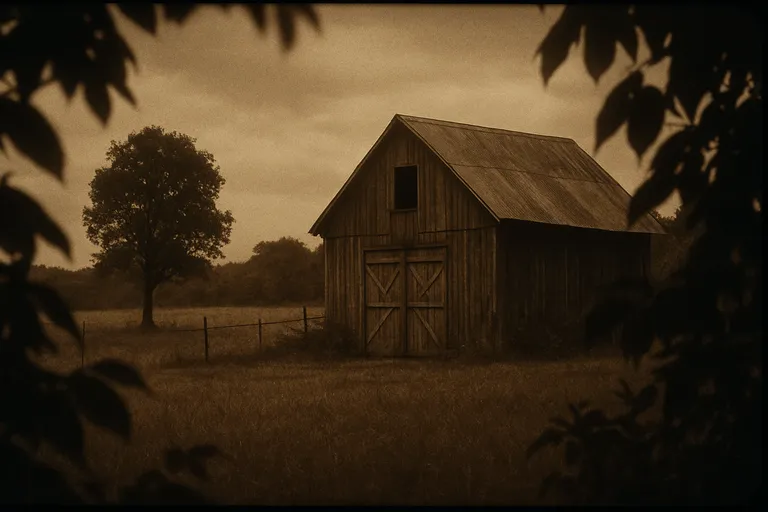
These framing decisions create narrative depth and realism.
6. Nostalgic Emotional Tone
The cinematic vintage look carries soft, timeless, emotional qualities:
- Nostalgic
- Romantic
- Melancholic
- Reflective
- Dreamlike yet grounded
This emotional layer is critical for storytelling-centric prompts.
Cinematic Vintage Sub-Styles
A. 1970s-Inspired Vintage Cinema
Traits
- Warm, earthy palette
- Low contrast
- Soft matte shadows
- Subtle haze
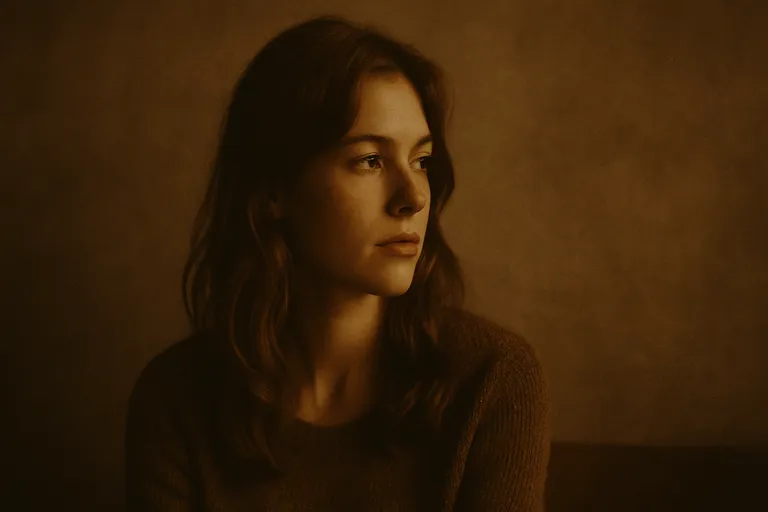
Prompt Example
1970s-inspired cinematic vintage tone, warm matte colors, soft film grain, earthy palette, gentle low contrast, nostalgic atmosphere
B. 1980s-Inspired Vintage Cinema
Traits
- Soft glowing highlights
- Amber and gold tones
- Slight dreamy bloom
- Atmospheric haze
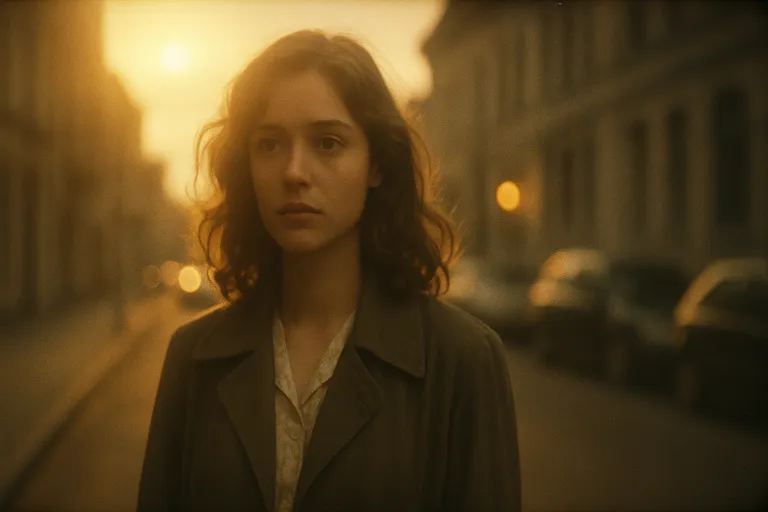
Prompt Example
1980s-inspired cinematic vintage style, glowing highlights, warm amber light, subtle haze, soft analog glow, expressive grain
C. 1990s-Inspired Cinematic Look
Traits
- Balanced teal-yellow tones
- Cleaner contrast
- Moderate grain
- Emotional drama emphasis
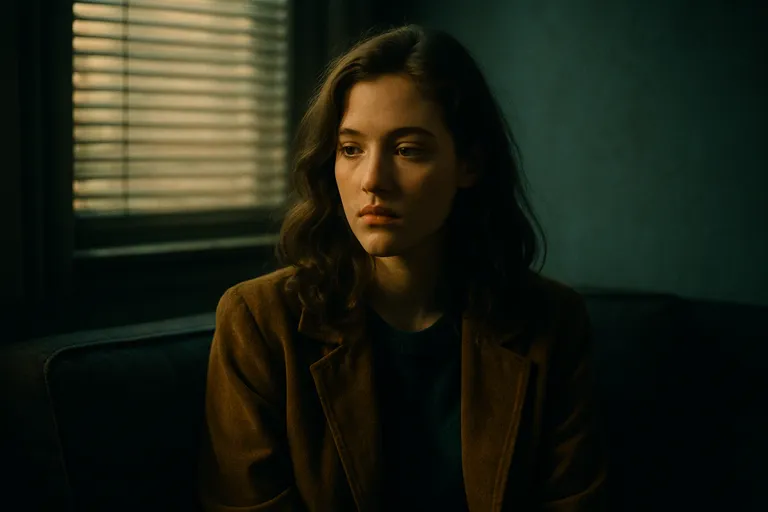
Prompt Example
1990s cinematic vintage look, teal-yellow balanced tones, medium contrast, subtle film grain, dramatic emotional mood
Prompt Examples for Cinematic Vintage Style
✔ Nostalgic Indoor Portrait
cinematic vintage portrait with warm tungsten lighting, soft lens diffusion, matte shadows, subtle grain, emotional atmosphere
✔ Retro Night Street Scene
vintage cinematic night scene, glowing light halos, atmospheric haze, deep shadows, wide aspect ratio, analog grain texture
✔ Dreamlike Romantic Aesthetic
soft vintage cinematic style, gentle highlight bloom, pastel warm tones, expressive grain, nostalgic emotional tone
✔ Narrative Environmental Scene
wide cinematic frame with warm vintage palette, natural window light, analog texture, classic film-inspired softness
✔ Vintage Cinematic Still Frame
analog-style cinematic frame with matte finish, soft color roll-off, expressive grain, nostalgic storytelling mood
Summary
Cinematic vintage style blends analog texture, era-specific color palettes, vintage lens characteristics, and cinematic framing to create emotionally rich, nostalgic imagery.
By focusing on warm tonal language, glowing highlights, grain, and atmospheric layers, prompt creators can generate visuals with timeless cinematic depth — without referencing any trademarked film stocks.